
What Are Metal Protection Sheaths?
TL;DR — Quick Summary
Metal protection sheaths are metal tube coverings, often made from alloys such as 310 Stainless Steel and Alloy 600, used to shield a temperature sensor from attack. They are generally used in temperature sensors at temperatures from between 350 to 1200°C. Metal protection sheaths are often used in aggressive environments. Special alloys can provide adequate sensor life and are more robust than a ceramic sheath.
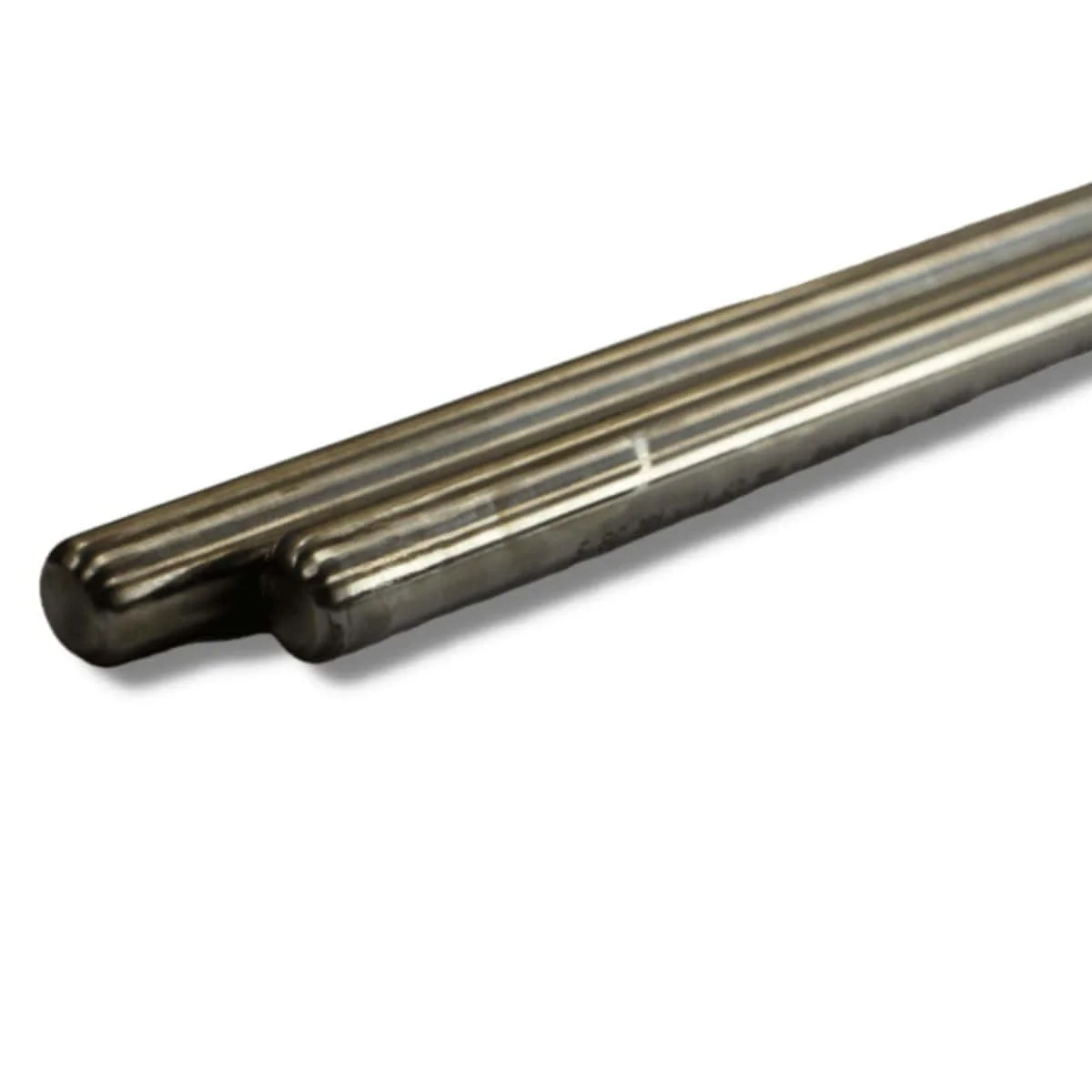
Understanding Metal Protection Sheaths
Metal protection sheaths act as a shield for temperature sensors, preventing damage from:
- High temperatures
- Corrosive or aggressive atmospheres
- Mechanical stress or abrasion
They are particularly suitable when ceramic protection is not ideal, offering both robustness and long-term reliability.
Key Features and Benefits
- Material: Typically 310 Stainless Steel, Alloy 600, or other high-performance alloys
- Temperature Range: 350°C to 1200°C
- Durability: Resistant to mechanical and chemical wear, providing longer sensor life
- Application Flexibility: Suitable for industrial furnaces, chemical processes, and other harsh environments
Compared to ceramic sheaths, metal protection sheaths are more impact-resistant and can handle aggressive conditions without compromising the accuracy of your temperature sensor.
FAQs
Q: When should I choose a metal sheath over a ceramic one?
Use a metal sheath when your sensor will face mechanical stress, corrosive environments, or temperatures within 350–1200°C where ceramic may crack or degrade.
Q: What metals are commonly used for protection sheaths?
310 Stainless Steel and Alloy 600 are typical, though other special alloys are available for specific industrial applications.
Q: Can metal sheaths withstand high temperatures?
Yes, depending on the alloy, metal sheaths can reliably protect sensors up to 1200°C.
Q: Do metal sheaths affect sensor accuracy?
Properly designed metal sheaths do not significantly impact accuracy. They provide protection while allowing the sensor to measure the surrounding temperature effectively.
Q: Are metal protection sheaths suitable for aggressive chemical environments?
Yes. Special alloys are chosen to resist chemical attack, ensuring longer sensor life and stable performance.